Free Sago Palm Tree Removal
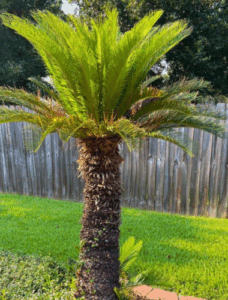
Sago Palm Removal Florida — We provide free Sago palm tree removal (living, infected plants only) and cycad collection in Tampa Bay, Orlando, and Miami to support our cycad scale research. We’re fighting the invasive cycad aulacaspis scale (Aulacaspis yasumatsui) with a plant-safe protocol and are close to making it cost-effective.
Sago Palm Removal in Florida: Why Early Action Against Cycad Scale Matters
- Target pest: Cycad aulacaspis scale attacks fronds, crowns, trunks, and roots, spreading rapidly across landscapes.
- Florida impact: First recorded in 1996, with heavy Sago losses within 10–15 years of detection.
- Research numbers: Our current protocol uses 2 precise applications per year and requires 12 months of field monitoring per trial. Each additional donated plant speeds cost reduction and validation.
Learn more about the host species and the pest:
Our Research Mission: Free Sago Palm Removal Florida that Protects Living Plants
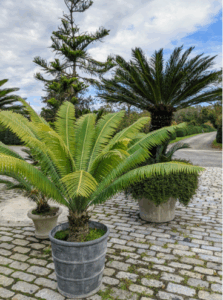
Foundation Masters, LLC operates a confined research yard where we treat and monitor living, infected Sago palms and cycads using a non-toxic, plant-friendly protocol. The treatment works, but it’s currently expensive and requires two applications per year; we’re engineering a cost-effective formulation without sacrificing control.
Side-by-side trials: We test newly infected plants against previously treated plants to see whether the scale can attach and feed on a clean, protected cycad. Early results suggest treated cycads may resist re-infestation, but confirmation requires a full 12-month season across species.
Because donations are limited, we need more living, infected Sago’s and cycads to accelerate trials, refine timing/dose, and bring the price per plant down.
Cycad Plants We Remove & Research (Living, Infected)
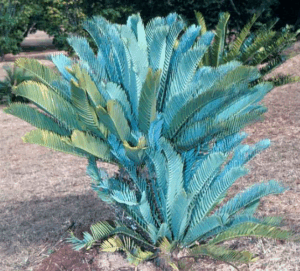
We remove and collect living, infected Sago palms and related cycads for research. If you’re unsure of species, just upload photos—we’ll confirm:
- Genus Cycas — incl. C. revoluta (Sago Palm), C. taitungensis, C. panzhihuaensis

Cycad Plants We Remove & Research - Genus Encephalartos (African cycads)
- Genus Ceratozamia
- Genus Dioon
- Genus Lepidozamia
- Genus Macrozamia
- Genus Cephalotaxus (plum-yews)
Upload Photos for Fast Approval
Please upload 2–4 clear photos showing:
- The whole plant (size and setting)
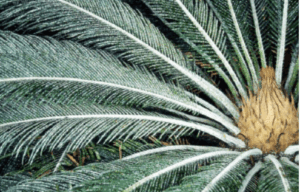
- Close-ups of white crust/scale on fronds/crown
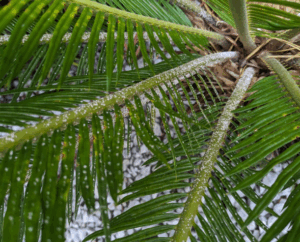
- Any yellowing or distorted new growth
Free Sago Palm Removal Florida — Our Collection Process
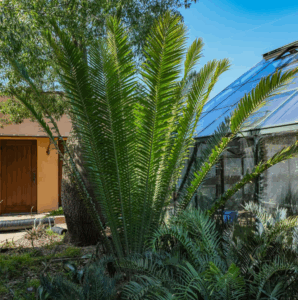
- Review & Confirm: You submit details/photos; we verify it’s a living, infected Sago or cycad.
- On-site Removal: We safely remove the plant and transport it to our secured research yard.
- Treat & Monitor: Each specimen is tagged, assigned to a trial, treated, and observed for 12 months.
- Plant-safe only: All materials are environmentally neutral and designed not to harm cycads.
Looking for more details about our company? Visit our About page or Contact page.
Who Qualifies for Free Sago Palm Tree Removal
- Homeowners or property managers in Tampa Bay, Orlando, and Miami (surrounding counties included)
- Plant must be living and currently infected with cycad scale
- Safe access for removal and transport
Schedule Free Sago Palm Removal / Donate Your Cycad
Fill out the form below (include photos if possible) or call 813-614-1718. We’ll confirm eligibility and schedule your pickup.
Why We Do This
Our commitment goes beyond research—we personally love cycads. Their age, structure, and resilience are unparalleled. Every plant we save is a small victory for Florida’s landscapes and for the species themselves.
“We aren’t just studying cycads—we’re fighting for them.”
References & Further Reading
Other Free Plant Removal Services
In addition to our Sago Palm Removal Florida program, Foundation Masters, LLC also provides specialized free removal services for other challenging plant species across Florida. We safely remove and collect cactus, bamboo, and palm trees, each with their own research and restoration focus. These services are available throughout Tampa Bay, Orlando, and Miami, helping property owners manage overgrowth and invasive species responsibly.